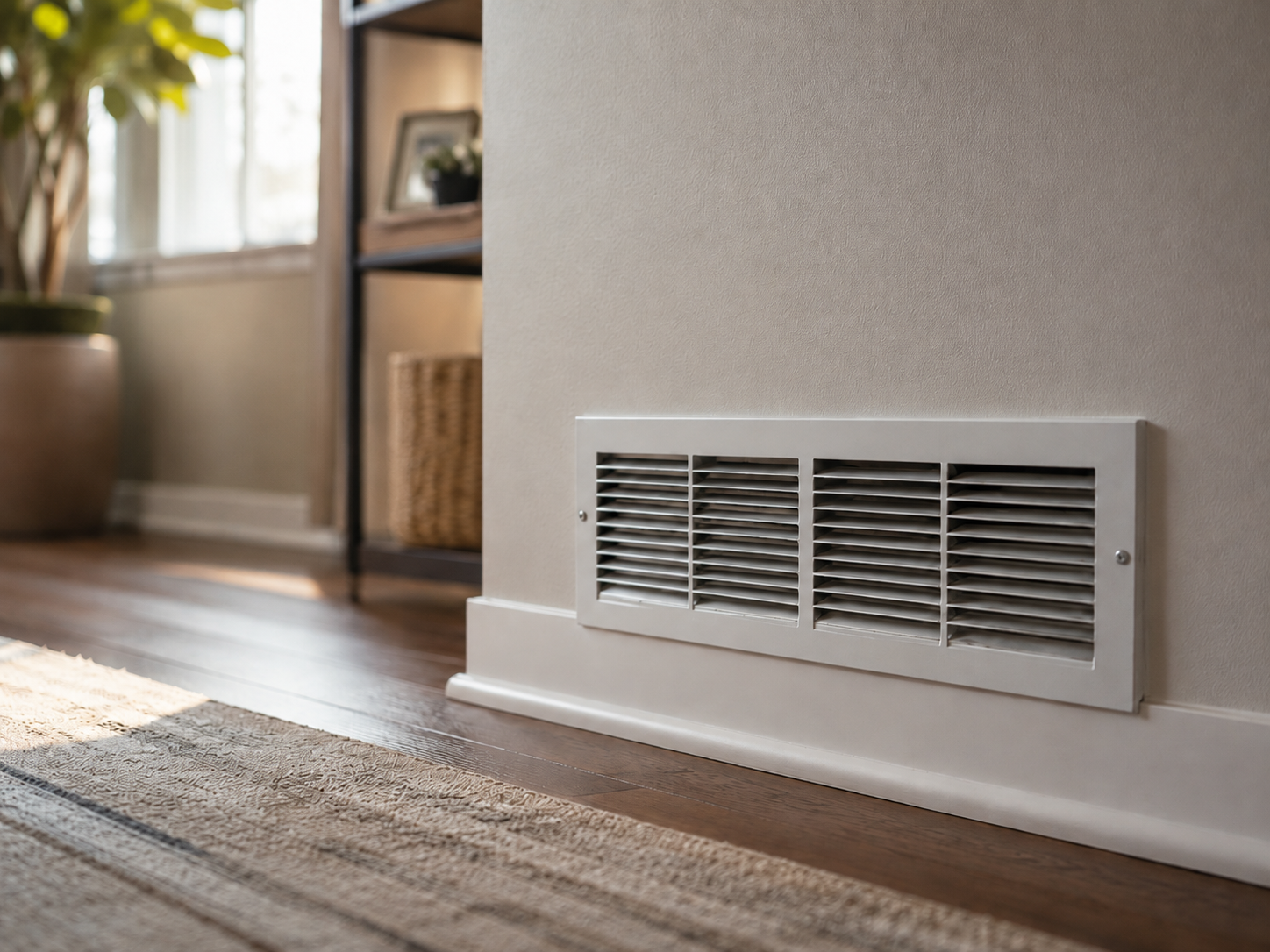
When you turn on your heat for the first time in months, you may notice a strange burning smell coming from the vents.
For many North Carolina homeowners, this happens during the first cool days of fall when the heating system starts running again after sitting unused throughout the summer. Sometimes the smell disappears quickly and is nothing to worry about. Other times, a persistent or unusual burning odor can indicate an HVAC problem that needs attention.
Knowing the difference can help you avoid unnecessary worry while also making sure you don’t ignore a potentially serious issue.
At Hayes HVAC, LLC, we help homeowners throughout Clayton, Raleigh, Cary, Apex, Garner, Fuquay Varina, and surrounding communities keep their heating systems operating safely and reliably. Here are some of the most common reasons your heat may smell like it’s burning and when it’s time to call a professional.
Is a Burning Smell Normal When You First Turn On the Heat?
A slight burning or dusty smell when you first turn on your heat for the season can be completely normal.
During the warmer months, dust can collect inside parts of your HVAC system and ductwork. When the heat comes on for the first time, that dust warms up and may create a noticeable odor.
In most cases, this smell should begin fading fairly quickly as the system continues operating.
However, you should pay attention to how strong the smell is, how long it lasts, and whether you notice any other signs of trouble.
If the odor becomes stronger, continues for an extended period, smells electrical or like melting plastic, or is accompanied by smoke or unusual system behavior, turn the system off and have it professionally inspected.
Professional Heating Services can help determine whether the odor is a normal seasonal occurrence or a sign that something needs to be repaired.
1. Dust Has Built Up During the Summer
Dust buildup is one of the most common causes of a burning smell when homeowners turn on the heat for the first time.
Your heating system may go several months without operating regularly. During that time, dust can settle on internal components and inside portions of the duct system.
When those surfaces warm up again, the dust can produce an odor that smells slightly burnt.
You may notice:
A dusty or mildly burnt smell
The odor appearing during the first heating cycle
The smell gradually becoming weaker
No smoke or unusual noises from the system
The home continuing to heat normally
If the odor disappears after the system has operated for a short time, there usually is not much reason for concern.
If it continues day after day, however, another issue could be involved.
2. Your Air Filter Is Dirty
A dirty air filter can affect both your HVAC system’s performance and the air circulating throughout your home.
Filters collect dust, pet hair, pollen, and other airborne particles. If the filter becomes heavily clogged, airflow through the system can become restricted.
Reduced airflow may cause the heating system to work harder and can sometimes contribute to unusual odors.
Other signs of a dirty filter may include:
Weak airflow from vents
Longer heating cycles
More dust around the home
Higher energy usage
Uneven temperatures
Your system running more frequently
Check your air filter and replace it if it appears dirty.
Keeping up with filter changes is one of the simplest ways to support healthy airflow and reduce unnecessary strain on your HVAC equipment.
Regular Maintenance Plans can also help catch airflow and system-performance issues before they turn into larger problems.
3. Dust or Debris May Be Inside the System
Not every odor comes directly from the air filter.
Dust, dirt, pet hair, or small debris can sometimes accumulate around heating components or inside the equipment itself.
When the system begins heating, those materials may create an unusual smell.
Routine HVAC maintenance can help keep important components clean and allow a technician to identify buildup before it affects system performance.
Homeowners should avoid opening HVAC equipment or attempting to clean internal electrical or heating components themselves.
Basic cleaning around vents and the outdoor unit is fine, but anything inside the system is best handled by a trained technician.
4. An Electrical Component May Be Overheating
A burning smell that resembles hot wiring, melting plastic, or an electrical odor deserves more attention.
HVAC systems rely on electrical components such as:
Motors
Wiring
Control boards
Capacitors
Relays
Electrical connections
If a component begins overheating or an electrical connection becomes damaged, you may notice a sharp or unusual burning smell.
Other warning signs can include:
Buzzing sounds
Repeated breaker trips
The system shutting off unexpectedly
Heat that stops working
A strong plastic or electrical odor
If you suspect an electrical issue, turn the heating system off and schedule professional service rather than continuing to run the equipment.
Electrical HVAC problems should not be treated as a normal first-of-the-season smell.
5. Your Blower Motor May Be Struggling
The blower motor helps move heated air through your ductwork and into the rooms throughout your home.
If the blower motor begins overheating or struggling to operate properly, it may create a burning odor.
A blower problem may also cause:
Weak airflow
Unusual noises
Long heating cycles
Uneven temperatures
The system turning on and off unexpectedly
Little or no air coming from the vents
Restricted airflow from a dirty filter can sometimes place additional strain on the blower, which is another reason regular filter replacement and maintenance are important.
A technician can inspect the blower assembly and determine whether cleaning, adjustment, repair, or replacement is necessary.
6. Something May Be Restricting Airflow
Proper airflow is essential for heating and cooling performance.
Closed vents, blocked return grilles, dirty filters, ductwork problems, and buildup inside the system can all interfere with airflow.
When conditioned air cannot circulate properly, HVAC equipment may have to operate longer or work harder to maintain the temperature inside your home.
Check that:
Supply vents are open
Return vents are not blocked
Furniture is not covering registers
The air filter is clean
Nothing is obstructing airflow around the equipment
If some rooms feel warm while others stay cold, your home may also have a larger airflow or ductwork issue.
Improving your home’s Indoor Air Quality and airflow can help with dust, allergens, odors, humidity, and overall indoor comfort.
7. There May Be a Mechanical Problem With Your Heating System
If the burning smell does not have an obvious cause, there may be a mechanical issue inside the system.
The exact cause will depend on the type of heating equipment installed in your home.
Heat pumps, furnaces, and other heating systems operate differently and contain different components that can create odors when something goes wrong.
That is why the smell alone is not always enough to diagnose the problem.
A professional HVAC technician can inspect the equipment, check electrical and mechanical components, evaluate airflow, and determine whether the system is operating correctly.
What Can You Check Before Calling a Professional?
If you notice a mild burning smell when turning on your heat, there are a few basic things you can safely check.
Start by:
Checking the air filter
Making sure supply vents are open
Removing objects blocking return vents
Confirming the thermostat is set correctly
Noticing whether the smell fades after the first few heating cycles
Listening for unusual noises
Checking for visible smoke
Avoid removing HVAC panels, touching wiring, or attempting electrical repairs yourself.
If the odor is strong or does not disappear, professional service is the safer option.
When Should You Turn the Heat Off?
Some smells should not be ignored.
Turn off your heating system and schedule an inspection if you notice:
A strong electrical smell
An odor similar to melting plastic
Visible smoke
A burning smell that continues getting stronger
Repeated breaker trips
Grinding, buzzing, or other unusual noises
The system shutting down unexpectedly
A burning smell that continues after multiple heating cycles
A persistent burning smell is not something you should simply cover up with air fresheners or wait weeks to address.
Finding the cause early can help protect your HVAC equipment and prevent a smaller problem from becoming a more expensive repair.
Regular HVAC Maintenance Can Help Prevent Problems
Routine maintenance is one of the best ways to prepare your heating system before colder weather arrives.
During a professional inspection, a technician can check important parts of the system and look for signs of wear or performance problems.
Maintenance may include inspecting:
Air filters
Electrical connections
Blower components
Thermostat operation
Heating performance
Airflow
Indoor and outdoor equipment
System controls
Scheduling service before temperatures drop gives you an opportunity to address problems before your heating system begins working harder during winter.
Hayes HVAC’s Maintenance Plans are designed to help homeowners stay ahead of unexpected HVAC issues while supporting reliable performance throughout the year.
Trust Hayes HVAC With Your Heating System
If you notice a slight dusty smell the first time you turn on your heat, it may simply be your system burning off dust that accumulated during the warmer months.
However, a strong, persistent, electrical, or unusual burning smell could be a sign that your heating system needs professional attention.
Hayes HVAC proudly provides Heating Services, Cooling Services, Maintenance Plans, and Indoor Air Quality solutions for homeowners throughout Clayton, Raleigh, Cary, Apex, Garner, Fuquay Varina, and surrounding communities.
Our team is committed to honest recommendations, quality workmanship, and helping North Carolina homeowners stay comfortable throughout every season.
If your heat smells like it’s burning and you’re unsure whether it’s normal, contact Hayes HVAC today at (919) 609-2006 for a free estimate. Whether you need heating repair, seasonal maintenance, or help diagnosing an unusual HVAC odor, our team is here to help.